About
LRS+
LRS+ is an architecture and project management practice based in Parma and Milan, specialised in retrofit and repositioning of commercial real estate for institutional and corporate clients. Over nearly two decades we have built an operating model that integrates design, engineering coordination, and process control — designed for clients who measure project success in IRR, delivery date, and capex under control, not only in formal quality.
We work as a single accountable operator toward the client, integrating the competences of a declared network of engineers, specialists, and technical consultants. Not a label under which other people’s authorial work is passed through: a structure of orchestration with a clear line of accountability.
An operational trajectory
2006
LRS+ is founded in Parma from a simple and rather un-Italian choice: keeping design and construction tightly connected on complex projects, where the separation between the two phases is the primary cause of delay. That posture has not changed since
2015
The move to CUBO, a former furniture factory converted into a shared working space, accompanies a phase of consolidation. Larger projects, end-to-end delivery, first exposure to structured condominium clients. The physical space — broad, crossed by different specialists — becomes part of the method: the people who go on site know the people who draw, the people who draw know the people who calculate.
Today
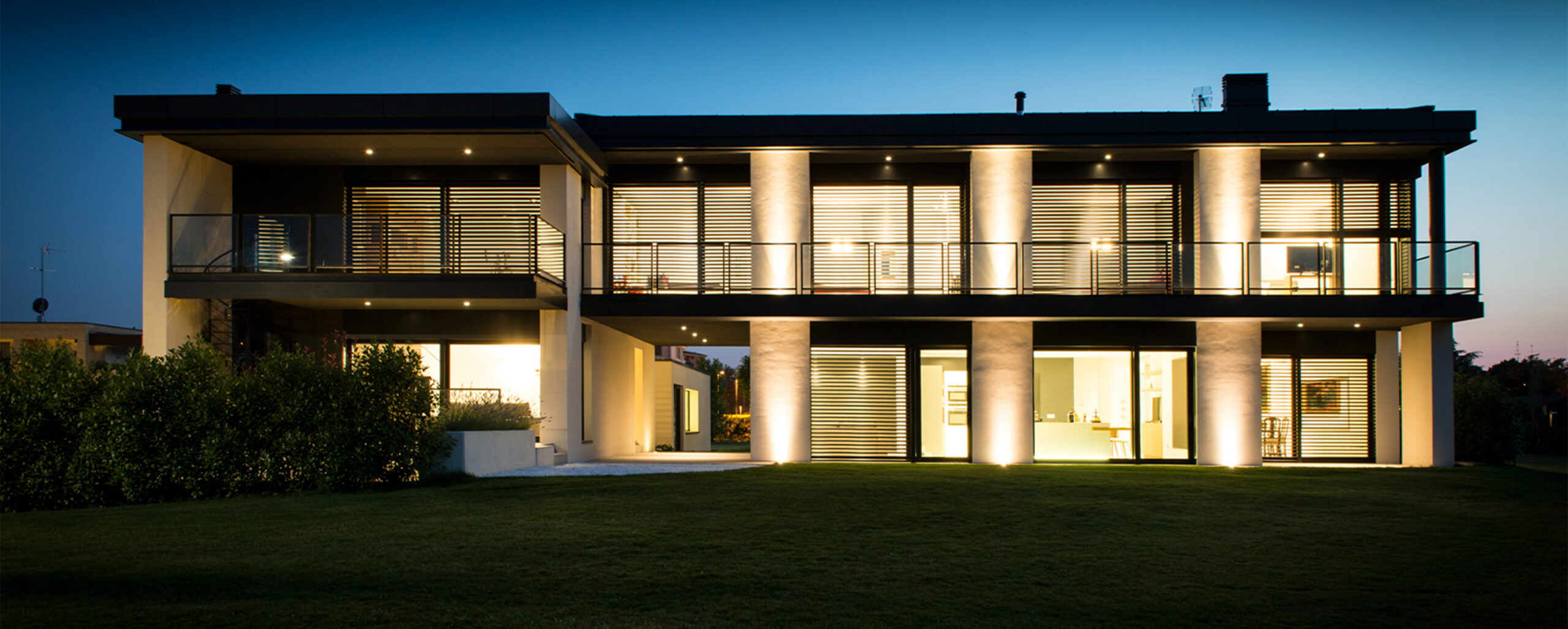
LRS+ operates between Parma and Milan across the full project lifecycle, from early feasibility to site closure. The operational focus is on mid-market commercial retrofit for institutional clients, with selected residential assignments demonstrating delivery capacity on premium assets.
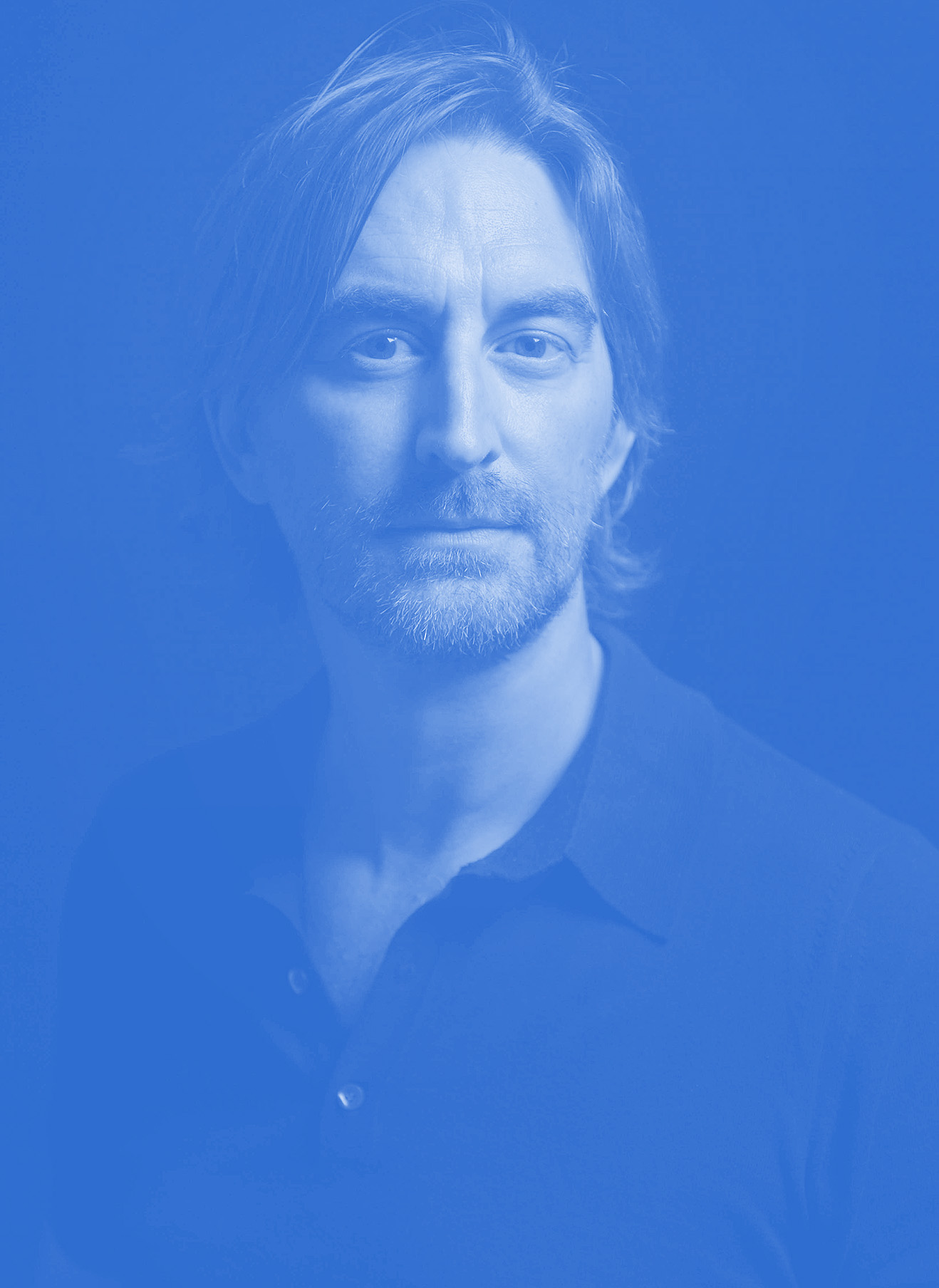
Luca Rutelli
Born in 1977, graduated in Architecture from the University of Genoa, active in the AEC sector since 2004. Raised in a family of builders — his grandfather Nicolò and his father Paolo, active in Genoa from the early twentieth century — he carries into design practice a construction culture inherited rather than acquired.
The difference matters: the construction site is not a problem to be delegated to the supervising architect; it is where architecture becomes real, or fails to.
Twenty years of independent practice built on complex projects managed end-to-end — design, construction supervision, health and safety coordination, direct client interface. End-to-end management of a circa €5M residential refurbishment consolidated a specific approach: project value is measured in execution, not in concept. From this came the decision to build LRS+ as a practice oriented toward orchestrating complex processes rather than authorial expression, positioned for clients who evaluate interventions on operational and financial metrics.
A choice that requires giving something up — the signature, the recognisable authorial mark, the formal gesture as distinguishing trait. In return one gains something that matters more, to Luca: the ability to bring complex projects to completion holding together everything that normally breaks along the way.